



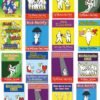
Everything you need to run anger and conflict work, from first conversation to repair.
Anger is rarely the real problem. It’s what shows on the outside when a young person feels rejected, embarrassed, powerless or unheard – and by the time it reaches a pastoral lead, the incident has usually already happened.
Most schools have something for the incident. Very few have a route through it: the staff knowledge to understand what’s underneath, a structured programme to work through one-to-one, and a way to repair the relationship afterwards.
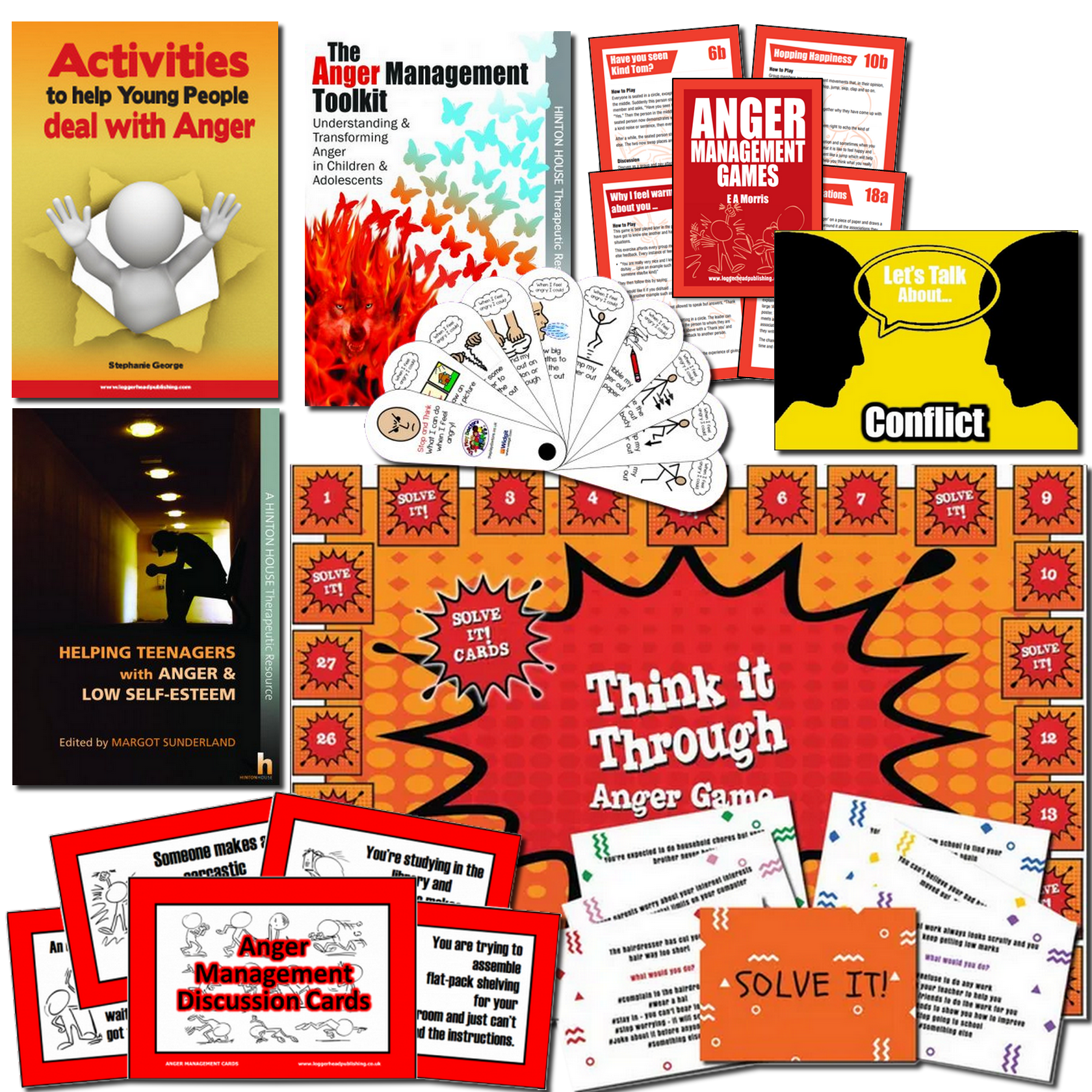
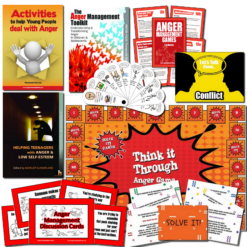
This collection brings together eight resources that cover that whole route. Two build adult understanding. One provides a structured, measurable intervention. Three open up conversation through games and discussion. One turns the fallout into repair. And a set of ten self-regulation fans goes where the sessions can’t – into pockets, onto lanyards, into the corridor and the playground, so a young person can signal how they’re feeling before it becomes an incident.
They can be used as a complete programme or picked up individually – a mentor running a six-week one-to-one, a SENCO building an intervention for a single pupil, a pastoral team resourcing a whole year group.
Understanding what sits underneath
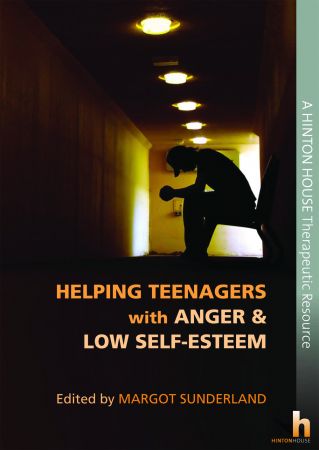
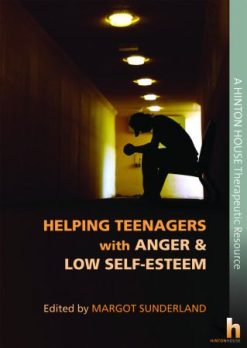
Helping Teenagers with Anger & Low Self-Esteem
Why defensive teenagers push help away, and how to reach them anyway. Covers the research on what moves young people toward anti-social behaviour, with worksheets developed with teenagers themselves for non-confrontational conversations. 202pp A4.
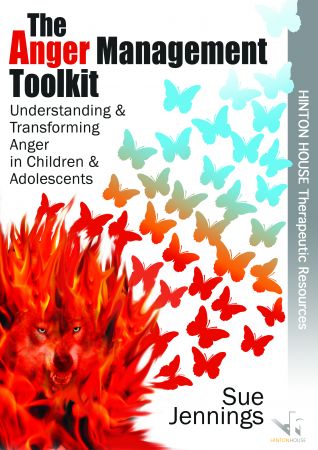
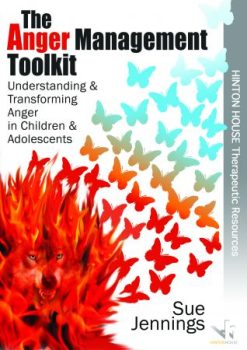
The Anger Management Toolkit
A creative approach built around the image of the Wolf — angry, but also protective and nurturing. Activities, worksheets, questionnaires, drawing, puppetry and mask work help young people express and transform anger rather than suppress it. Primary and secondary. 204pp A4.
Running a structured intervention
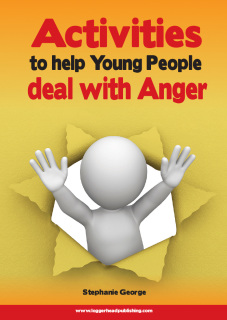
Activities to Help Young People Deal with Anger
Twenty structured activities designed for one-to-one mentoring and group work, including baseline self-assessment and reassessment so progress can actually be evidenced. Covers anger triggers, physical responses, coping in crisis, listening skills, dilemmas, conflict mediation, SMART target-setting and action planning. Photocopiable, with free online downloads. Ages 10-16, 74pp A4 ring-bound.
Opening the conversation
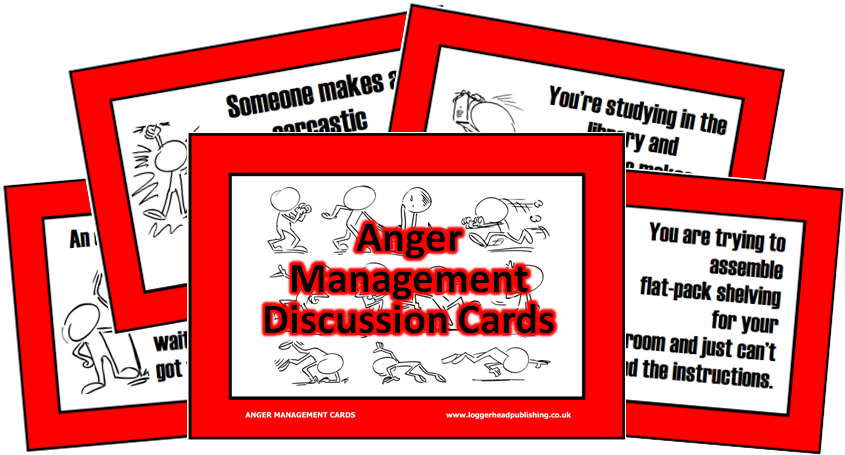
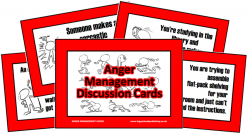
Anger Management Discussion Cards Secondary
Over 40 everyday scenarios likely to trigger anger, for use one-to-one or in small groups, plus a card of calming-down techniques. The facilitator can move the conversation on to the beliefs and values the situation is challenging. 42 cards.
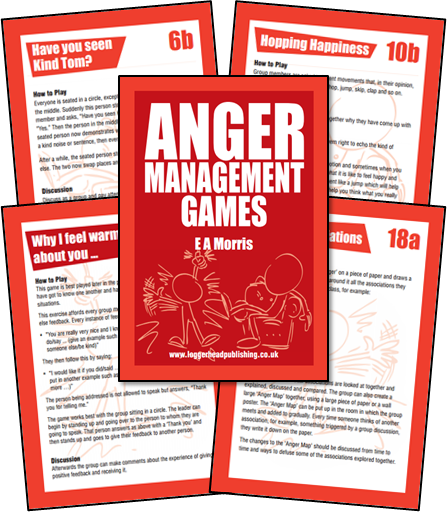
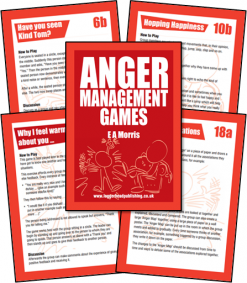
Anger Management Games Secondary
Group games played twice — first in an angry way, then in a compassionate one — so young people can compare and discuss the difference. Thirteen paired games including Roaring Rage / Hopping Happiness and Chain of Fury / Chain of Kindness. Age 11+. 26 cards in a tin.
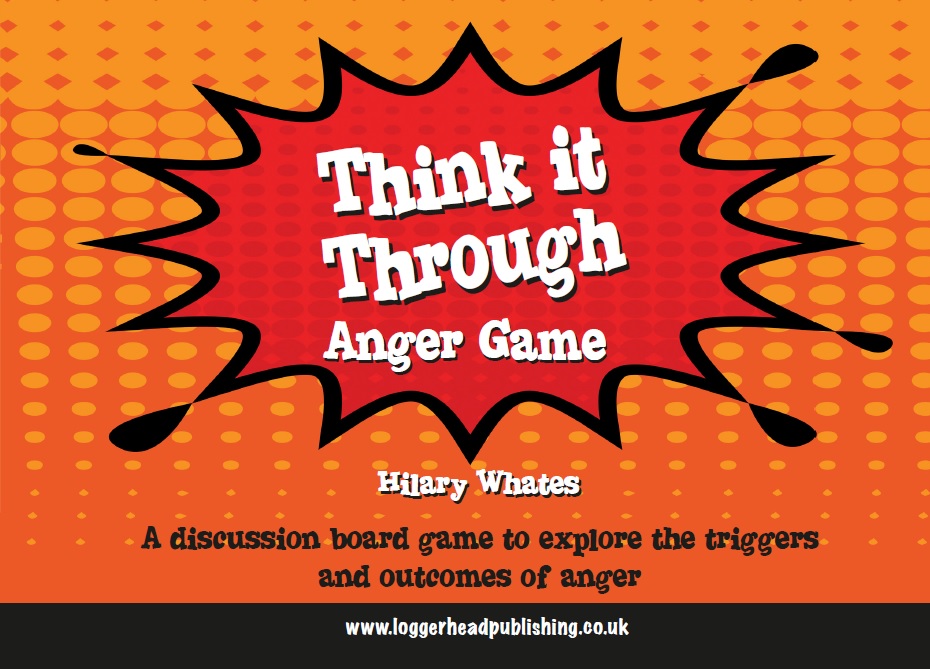
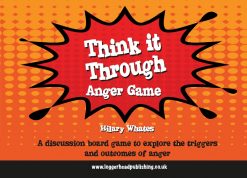
Think it Through Anger Game
A discussion board game where players land on a Situation Square, take a Solve it! card describing an anger trigger, and must agree which response is the most appropriate. Triggers include sadness, frustration, embarrassment, jealousy, hurt and disappointment. Ages 10-14.
Repairing the relationship
Let’s Talk About Conflict Discussion Cards
Fifty conversation cards for restorative work, moving away from blame toward understanding impact and putting things right. Problem cards, solution cards and guidance notes for facilitating restorative conversations without specialist mediation training. Ideal for peer mediation, ELSA sessions and circle time.
In the moment
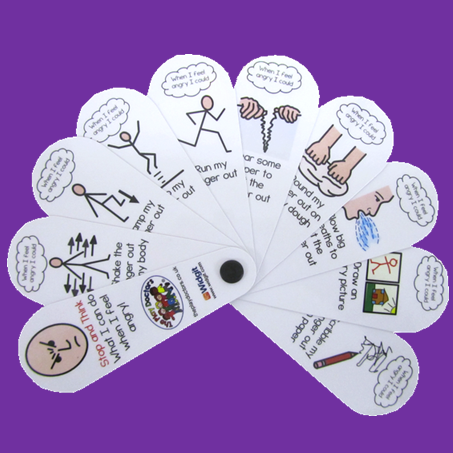
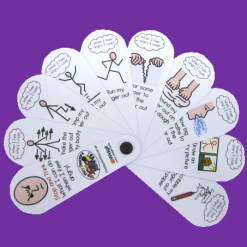
What I Can Do When I Feel Angry Fan Set of 6
The only item in this collection the young person keeps, and the only one that works at the moment anger actually arrives.
Every other resource here is adult-led and happens in a room at a scheduled time. This fan is in a pocket ready at the point where the session isn’t available — and it doesn’t ask a young person to name the feeling, which is the hardest thing to do when the feeling is at its strongest. It offers something to do instead.
Suggestions include shaking it out, jumping, stamping, running it off, blowing it out, tearing paper, pounding a cushion or playdough, and scribbling or drawing the anger out. The point is not to suppress the feeling but to give it somewhere safe to go — put a lid on a pressure cooker and it comes out later, usually worse.
Each fan is double-laminated for durability and measures 125mm by 45mm. Six fans covers an intervention group or a pastoral office stock.
Who it’s for
Pastoral leads, mentors, SENCOs, ELSAs, learning mentors, behaviour teams, inclusion staff and PSHE co-ordinators. Suitable for one-to-one, small group and whole-class work. No specialist training required.
| Age | Secondary |
|---|---|
| Format |
Only logged in customers who have purchased this product may leave a review.
Related Products






Reviews
There are no reviews yet.